
 An innovative structure capable of achieving 100 percent green energy consumption was unveiled on Sunday in Qingdao, Shandong province, making it the world's first ultra-zero carbon building, according to State broadcaster China Central Television.What is a zero-carbon Park?Zero-carbon parks are seen as crucial hubs for achieving China's "dual carbon" goals of peaking carbon emissions before 2030 and achieving carbon neutrality before 2060. Here are some examples of zero-carbon parks in China and abroad. In China: Xiongan New Area.
Will China build a zero-carbon Park in 2024?In 2024, a plan was unveiled to build a zero-carbon park in Beijing's Daxing District. Provinces and regions like Guangxi, Yunnan and Fujian have included zero-carbon park construction in their 2025 government work reports. China has pledged to peak carbon emissions by 2030 and reach carbon neutrality by 2060.
Will China's zero-carbon parks drive green transition?Thereby, China’s Zero-Carbon parks drive green transition as China is on the pathway to carbon neutrality by 2060. Zero-carbon parks are designed to advance sustainable industrial growth while supporting China’s commitment to reducing carbon emissions, aiming for carbon peak by 2030 and carbon neutrality by 2060.
Why are zero-carbon parks important in China?Zero-carbon parks are seen as pivotal in meeting China’s carbon reduction goals and are integral to the broader strategy for a sustainable, green economic transition. Examples of zero-carbon parks in China include:.
Are zero-carbon parks necessary for China's 'Dual carbon' goals?At the December Central Economic Work Conference, Chinese leaders prioritized green transition initiatives for 2025, with zero-carbon parks being essential to achieving the nation’s “dual carbon” objectives.
What is zero carbon?Promote the "Zero Carbon" brand through international cooperation and education Carbon is in its simple form the best to attack first. Through Zero Carbon we allow natural processes to help do what it has always done: regulate carbon in the natural world. The dual carbon target is: Carbon Peak by 2030 and Carbon Neutrality by 20
An innovative structure capable of achieving 100 percent green energy consumption was unveiled on Sunday in Qingdao, Shandong province, making it the world's first ultra-zero carbon building, according to State broadcaster China Central Television.What is a zero-carbon Park?Zero-carbon parks are seen as crucial hubs for achieving China's "dual carbon" goals of peaking carbon emissions before 2030 and achieving carbon neutrality before 2060. Here are some examples of zero-carbon parks in China and abroad. In China: Xiongan New Area.
Will China build a zero-carbon Park in 2024?In 2024, a plan was unveiled to build a zero-carbon park in Beijing's Daxing District. Provinces and regions like Guangxi, Yunnan and Fujian have included zero-carbon park construction in their 2025 government work reports. China has pledged to peak carbon emissions by 2030 and reach carbon neutrality by 2060.
Will China's zero-carbon parks drive green transition?Thereby, China’s Zero-Carbon parks drive green transition as China is on the pathway to carbon neutrality by 2060. Zero-carbon parks are designed to advance sustainable industrial growth while supporting China’s commitment to reducing carbon emissions, aiming for carbon peak by 2030 and carbon neutrality by 2060.
Why are zero-carbon parks important in China?Zero-carbon parks are seen as pivotal in meeting China’s carbon reduction goals and are integral to the broader strategy for a sustainable, green economic transition. Examples of zero-carbon parks in China include:.
Are zero-carbon parks necessary for China's 'Dual carbon' goals?At the December Central Economic Work Conference, Chinese leaders prioritized green transition initiatives for 2025, with zero-carbon parks being essential to achieving the nation’s “dual carbon” objectives.
What is zero carbon?Promote the "Zero Carbon" brand through international cooperation and education Carbon is in its simple form the best to attack first. Through Zero Carbon we allow natural processes to help do what it has always done: regulate carbon in the natural world. The dual carbon target is: Carbon Peak by 2030 and Carbon Neutrality by 20
Apr 1, 2025 · The Zero Energy Certification requires net zero buildings to meet 100% of their energy needs through on-site renewable energy, with no
Get Started
Jun 27, 2025 · Scope Part 1 of the Definition sets criteria for a building with zero operational emissions from energy use. Reducing a building''s total life cycle emissions to zero also
Get Started
Zero Net Carbon (ZNC) buildings address an urgent need to mitigate the CO2 impacts of fossil fuel based energy consumption. A ZNC building is defined as: a highly energy efficient building
Get Started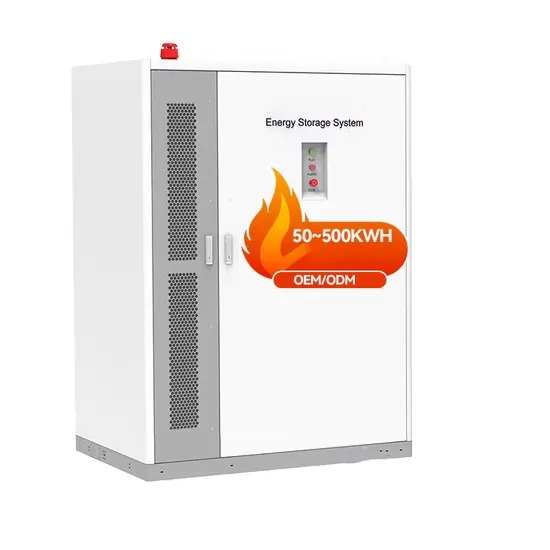
Aug 14, 2025 · The Seven Key Principles for Implementing Net Zero were presented by the International Energy Agency at the IEA-COP26 Net Zero
Get Started
16 hours ago · Discover how the zero-carbon building in Qingdao utilizes photovoltaic glass to significantly reduce carbon emissions and energy loss.
Get Started
Aug 16, 2025 · Asset Value Zero Energy Certification projects significantly reduce operational energy costs and typically result in higher-quality spaces that
Get Started
3 days ago · We hear a lot about net zero and zero carbon but what are they exactly and what''s the difference between the two? What is net zero? In 2019,
Get Started
Jul 26, 2023 · The scalability of these technologies has a huge potential to contribute to a zero-carbon future, as well as tackling air pollution. Switching to using renewable energy sources
Get Started
Nov 29, 2022 · Net zero carbon definitions UKGBC''s Framework Definition provides a set of consistent principles and metrics for the built environment to apply in the achievement of net
Get Started
Carbon is in its simple form the best to attack first. Through Zero Carbon we allow natural processes to help do what it has always done: regulate carbon in the
Get Started
Zero-energy building, any building or construction characterized by zero net energy consumption and zero carbon emissions calculated over a period of
Get Started
Apr 23, 2025 · In 2024, a plan was unveiled to build a zero-carbon park in Beijing''s Daxing District. Provinces and regions like Guangxi, Yunnan and
Get Started
Apr 28, 2025 · Net-zero carbon — operational energy : occurs when the carbon emissions from a building''s annual operational energy use are zero or
Get Started
1 day ago · An innovative structure capable of achieving 100 percent green energy consumption was unveiled on Sunday in Qingdao, Shandong province, making it the world''s first ultra-zero
Get Started
The Coalition''s "zero carbon energy sources" phrase does not explicitly include the term "sustainable", but the phrase should be understood to exclude non-sustainable energy
Get Started
5 days ago · Want to know the difference between net zero and zero carbon? Our explainers will help you understand the role of renewable energy sources like
Get Started
Apr 1, 2024 · The building sector is known to be a major emitter of global greenhouse gases. Given that, the total carbon dioxide (CO 2) emissions from a building account for about 38 %
Get Started
Dec 28, 2024 · Zero-carbon parks are a new model for promoting the green, low-carbon, sustainable and high-quality development of industrial parks in the
Get Started
Mar 17, 2025 · Climate Change Mitigation – The low carbon transition is mitigating climate change by reducing emissions and shifting energy
Get Started
The ZERO Lab (Zero-carbon Energy systems Research and Optimization Laboratory) improves and applies optimization-based macro-energy systems
Get Started
Dec 28, 2024 · Zero-carbon parks are seen as pivotal in meeting China''s carbon reduction goals and are integral to the broader strategy for a sustainable,
Get Started
According to the revised directive, a zero-emission building has no on-site carbon emissions from fossil fuels and a very high energy performance. The new rules will therefore align the energy
Get Started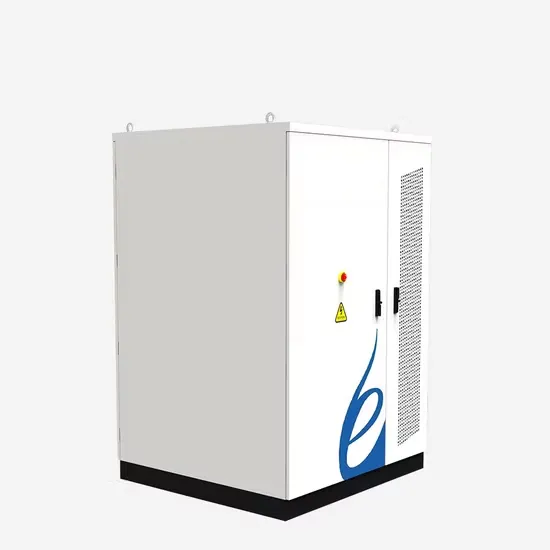
Aug 18, 2025 · Innovative projects in Jiangsu and Hainan highlight China''s commitment to sustainable energy solutions. NANJING, March 26 -- A microgrid project, noted as the largest
Get Started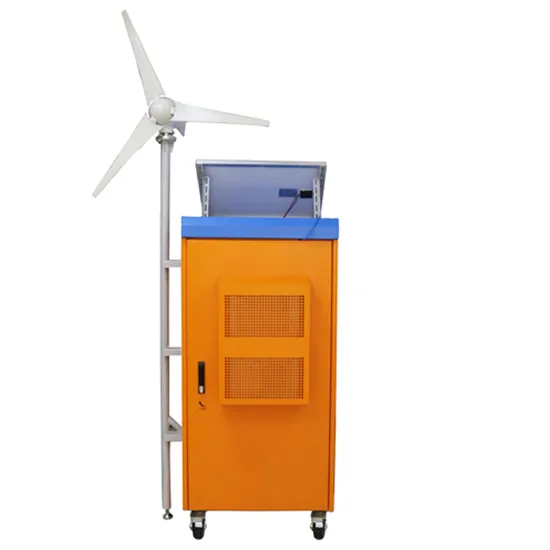
Dec 28, 2024 · Zero-carbon parks are seen as crucial hubs for achieving China''s "dual carbon" goals of peaking carbon emissions before 2030 and achieving
Get Started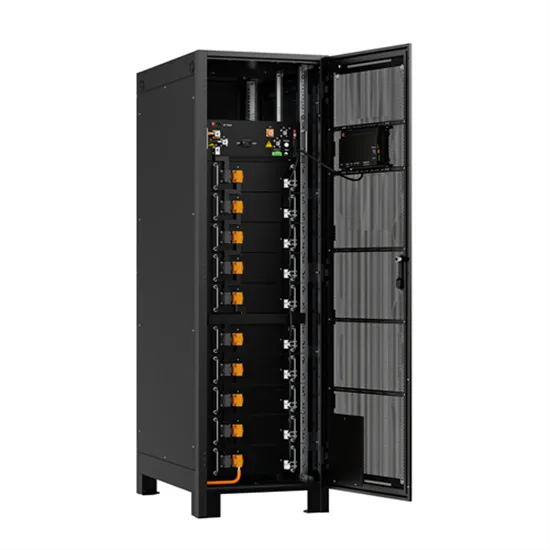
2024年5月26日,由北京市昌平区人民政府、中国投资协会共同主办的"2024''能源谷''先进能源产业高质量发展推进会"在昌平区未来科学城成功举办。...
Get Started
Feb 25, 2025 · The objective of the Enabling Zero Carbon Energy in Rural Towns and Villages in China (EZCERTV) Project is the acceleration of low/zero-carbon transformation in China''s
Get Started
5 days ago · Reimagine Your World Reinvent Power Rediscover Renewable Energy Restore Energy Sustainable Energy Solutions Reimagine Brand Story
Get Started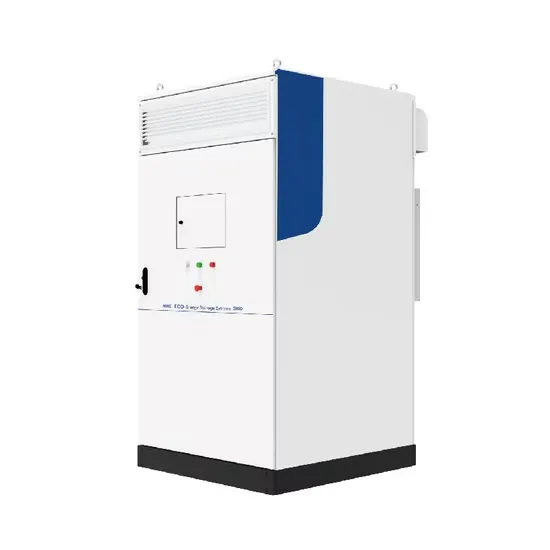
Zero-carbon parks are seen as crucial hubs for achieving China's "dual carbon" goals of peaking carbon emissions before 2030 and achieving carbon neutrality before 2060. Here are some examples of zero-carbon parks in China and abroad. In China: Xiongan New Area
In 2024, a plan was unveiled to build a zero-carbon park in Beijing's Daxing District. Provinces and regions like Guangxi, Yunnan and Fujian have included zero-carbon park construction in their 2025 government work reports. China has pledged to peak carbon emissions by 2030 and reach carbon neutrality by 2060.
Thereby, China’s Zero-Carbon parks drive green transition as China is on the pathway to carbon neutrality by 2060. Zero-carbon parks are designed to advance sustainable industrial growth while supporting China’s commitment to reducing carbon emissions, aiming for carbon peak by 2030 and carbon neutrality by 2060.
Zero-carbon parks are seen as pivotal in meeting China’s carbon reduction goals and are integral to the broader strategy for a sustainable, green economic transition. Examples of zero-carbon parks in China include:
At the December Central Economic Work Conference, Chinese leaders prioritized green transition initiatives for 2025, with zero-carbon parks being essential to achieving the nation’s “dual carbon” objectives.
Promote the "Zero Carbon" brand through international cooperation and education Carbon is in its simple form the best to attack first. Through Zero Carbon we allow natural processes to help do what it has always done: regulate carbon in the natural world. The dual carbon target is: Carbon Peak by 2030 and Carbon Neutrality by 2060.
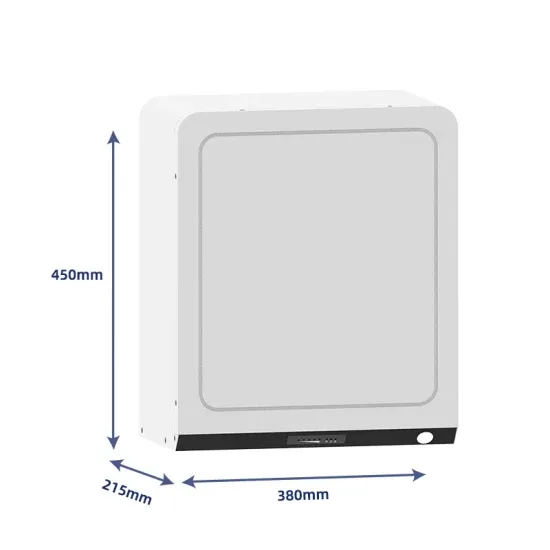
 Appearance of air-cooled 50kw site energy storage cabinet
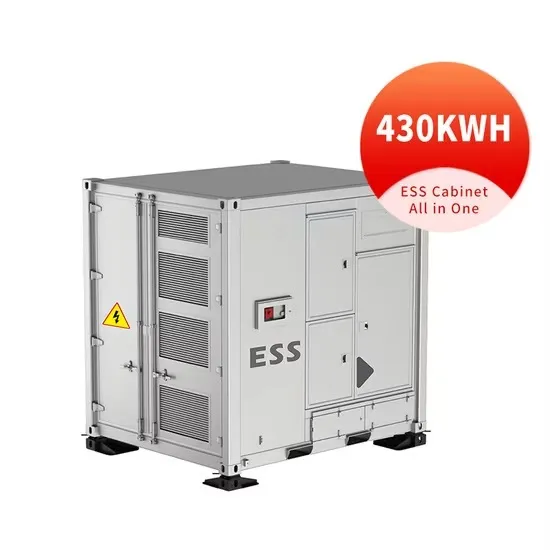
 South Tarawa site energy battery cabinet system
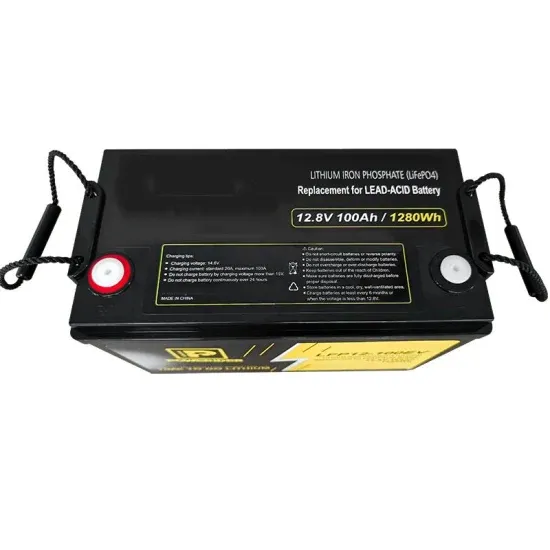 Telecom site energy storage cabinet battery
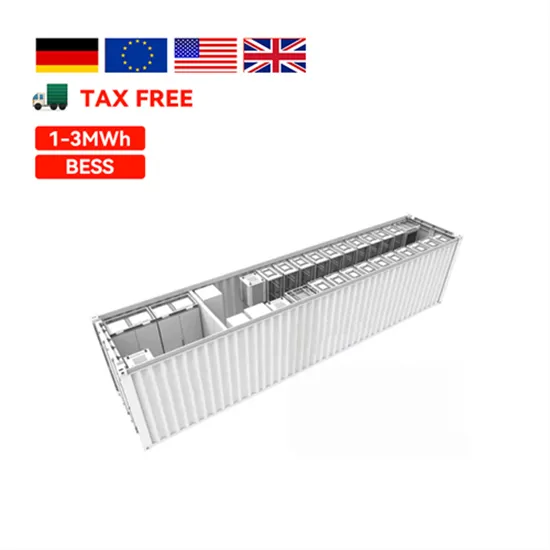
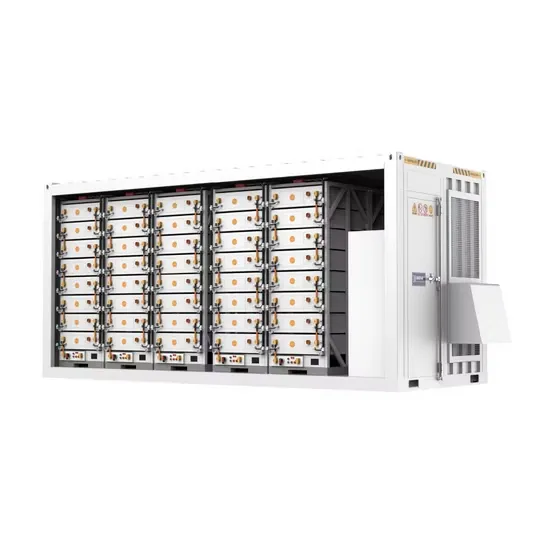
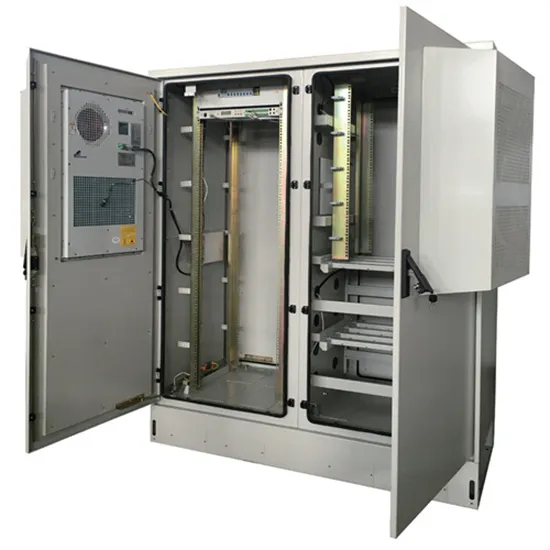 40-foot site container energy storage cabin
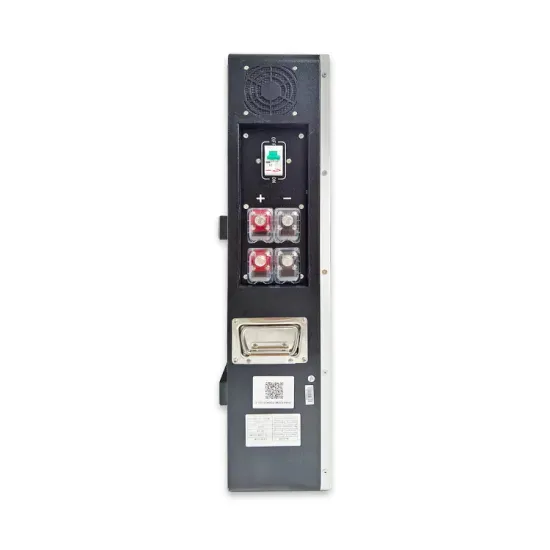 Are there many energy battery cabinets at the Korean site
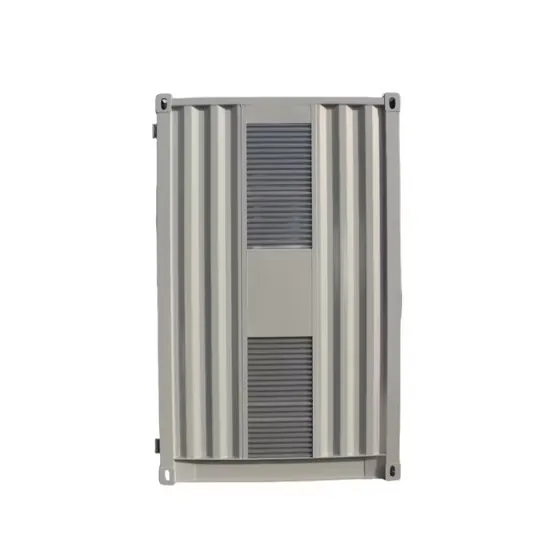 Telecom site energy battery cabinet design
 Which energy battery cabinet is better for Santo Domingo site
 China Mobile Energy Storage Site Wind Power
 San Diego New Energy Site Energy
 Uruguay lithium energy storage power supply procurement site
The global commercial and industrial solar energy storage battery market is experiencing unprecedented growth, with demand increasing by over 400% in the past three years. Large-scale battery storage solutions now account for approximately 45% of all new commercial solar installations worldwide. North America leads with 42% market share, driven by corporate sustainability goals and federal investment tax credits that reduce total system costs by 30-35%. Europe follows with 35% market share, where standardized industrial storage designs have cut installation timelines by 60% compared to custom solutions. Asia-Pacific represents the fastest-growing region at 50% CAGR, with manufacturing innovations reducing system prices by 20% annually. Emerging markets are adopting commercial storage for peak shaving and energy cost reduction, with typical payback periods of 3-6 years. Modern industrial installations now feature integrated systems with 50kWh to multi-megawatt capacity at costs below $500/kWh for complete energy solutions.
Technological advancements are dramatically improving solar energy storage battery performance while reducing costs for commercial applications. Next-generation battery management systems maintain optimal performance with 50% less energy loss, extending battery lifespan to 20+ years. Standardized plug-and-play designs have reduced installation costs from $1,000/kW to $550/kW since 2022. Smart integration features now allow industrial systems to operate as virtual power plants, increasing business savings by 40% through time-of-use optimization and grid services. Safety innovations including multi-stage protection and thermal management systems have reduced insurance premiums by 30% for commercial storage installations. New modular designs enable capacity expansion through simple battery additions at just $450/kWh for incremental storage. These innovations have improved ROI significantly, with commercial projects typically achieving payback in 4-7 years depending on local electricity rates and incentive programs. Recent pricing trends show standard industrial systems (50-100kWh) starting at $25,000 and premium systems (200-500kWh) from $100,000, with flexible financing options available for businesses.