
 Does alkali activation affect glass foam?Using the life cycle assessment methodology, the research analyses the potential impacts associated to the glass foam obtained from waste glass through the alkali activation in a laboratory scale plant with ‘cradle to grave’ perspective.
What is the environmental profile of glass foam made from soda lime glass?The environmental profile of glass foam made from recycled crush soda lime glass by alkali activation and gel casting at laboratory level is assessed through the LCA methodology, to underline the environmental hotspots in the glass foam life cycle.
Can glass foam be produced from waste glass upcycling?Within the international scientific literature, the glass foam production from waste glass upcycling is already analyzed. The impacts of the glass foams are assessed in some LCA studies in which different glass foam production methods are compared among them and with other insulation's materials.
How alkali activation process is used in building insulation materials?landlls. As building insulation materials, glass foams obtained by conventional processes have alkali activation process. Using the life cycle assessment methodology, the research analyses the activation in a laboratory scale plant with ‘cradle to grave ’ perspective. The main phases included.
What is the LCA of glass foam from waste glass upcycling?The LCA of glass foam from waste glass upcycling should include both the downstream and upstream phases, focusing the attention on the transportation and disposal, to assess their importance in the environmental profile of glass foam life cycle. The energy consumption contribution should also be further investigated. 2. Materials and methods 2.1.
Can glass foam be used as a building insulation material?Glass foams is an interesting option for the use of fractions of glass cullet otherwise destined to landfills. As building insulation materials, glass foams obtained by conventional processes have still some drawbacks in the purity of starting feedstock, which can be avoided by implementing an alkali activation proce
Does alkali activation affect glass foam?Using the life cycle assessment methodology, the research analyses the potential impacts associated to the glass foam obtained from waste glass through the alkali activation in a laboratory scale plant with ‘cradle to grave’ perspective.
What is the environmental profile of glass foam made from soda lime glass?The environmental profile of glass foam made from recycled crush soda lime glass by alkali activation and gel casting at laboratory level is assessed through the LCA methodology, to underline the environmental hotspots in the glass foam life cycle.
Can glass foam be produced from waste glass upcycling?Within the international scientific literature, the glass foam production from waste glass upcycling is already analyzed. The impacts of the glass foams are assessed in some LCA studies in which different glass foam production methods are compared among them and with other insulation's materials.
How alkali activation process is used in building insulation materials?landlls. As building insulation materials, glass foams obtained by conventional processes have alkali activation process. Using the life cycle assessment methodology, the research analyses the activation in a laboratory scale plant with ‘cradle to grave ’ perspective. The main phases included.
What is the LCA of glass foam from waste glass upcycling?The LCA of glass foam from waste glass upcycling should include both the downstream and upstream phases, focusing the attention on the transportation and disposal, to assess their importance in the environmental profile of glass foam life cycle. The energy consumption contribution should also be further investigated. 2. Materials and methods 2.1.
Can glass foam be used as a building insulation material?Glass foams is an interesting option for the use of fractions of glass cullet otherwise destined to landfills. As building insulation materials, glass foams obtained by conventional processes have still some drawbacks in the purity of starting feedstock, which can be avoided by implementing an alkali activation proce
Nov 10, 2023 · Optimal foam glass structure is achieved in the end of pore growth stage. Abstract Foam glass, a sustainable insulation material, enhances building energy efficiency and glass
Get Started
May 14, 2025 · To alleviate the problems of energy shortage and environmental pollution, 15 alkali-activated materials (AAM) were designed and prepared based on slag and waste
Get Started
Jul 1, 2021 · The feasibility of the extensive recycling of waste glass in alkali-activated materials (AAMs) was evaluated. The waste glass was utilised in AAMs for two purposes: a partial
Get Started
Feb 21, 2025 · Semantic Scholar extracted view of "In-situ analysis on foaming behavior of foam glass produced from photovoltaic module waste" by Thach Khac Bui et al.
Get Started
Glass foams is an interesting option for the use of fractions of glass cullet otherwise destined to landfills. As building insulation materials, glass foams
Get Started
Mar 31, 2023 · V. Savvilotidou, A. Kritikaki, A. Stratakis, K. Komnitsas, and E. Gidarakos, "Energy efficient production of glass-ceramics using photovoltaic (P/V) glass and lignite fly ash," Waste
Get Started
Jan 8, 2022 · The formation of alkali-activated binders from industrial end products and landfill materials attracts considerable interest in construction technology since it diminishes the
Get Started
Oct 10, 2019 · Preparation and application of alkali-activated materials based on waste glass and coal gangue: A review
Get Started
Apr 11, 2021 · Hence, waste glass can be considered to manufacture alkali-activated materials since waste glass is supposed to have the potential to be used as a precursor material due to
Get Started
Jul 15, 2023 · Large amounts of silicon kerf waste (SKW) and photovoltaic (PV) glass waste are being generated as the PV industry grows. At present, independent appr
Get Started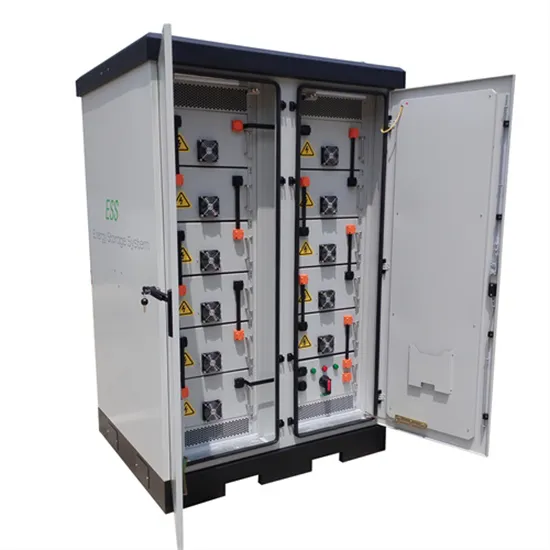
Feb 21, 2025 · A calcium-based geopolymer was synthesized using a blend of recycled glass powder from solar panels (PV glass waste), limestone, and a sodium silicate solution, which
Get Started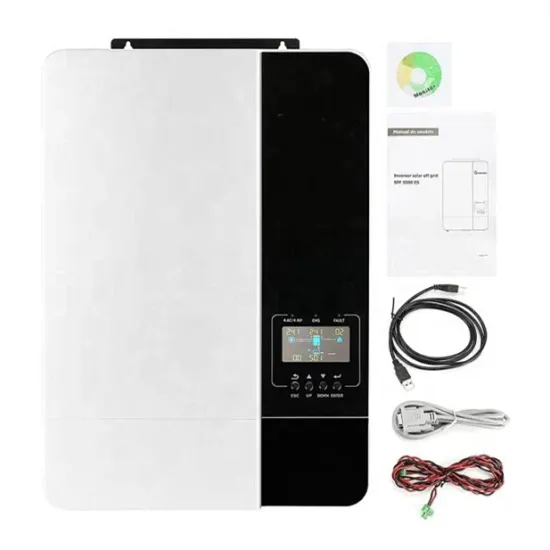
May 3, 2022 · The long-term characteristics and durability of alkali-activated mortars based on waste glass are crucial to better understand their performance in aggressive environments. In
Get Started
Sep 1, 2021 · Highlights • Gives an insight to circular economy and cleaner technologies. • Suitable to use as a structural concrete for even lower density of 1000 kg/m 3. • Excellent frost
Get Started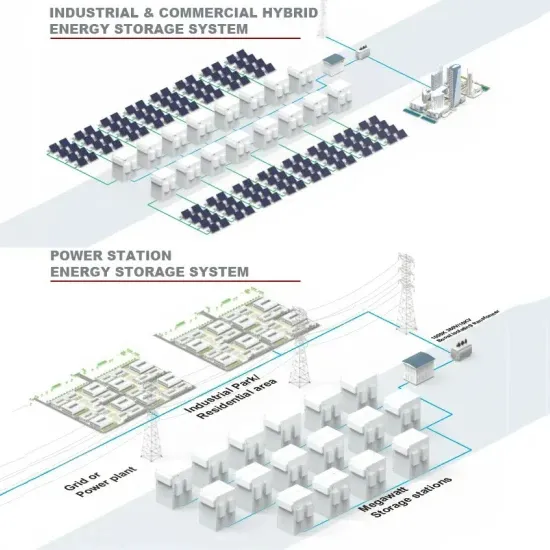
Feb 16, 2011 · "Stage I": Ion-exchange (leaching) of mobile alkali and alkaline-earth cations with H+/H3O+, formation of silica-rich surface layer, pH rise in liquid film, and formation of soluble
Get Started
Mar 27, 2025 · Cleaning Method of JA Solar Photovoltaic Modules'' Glass This manual is a detailed description for cleaning the anti-reflection coated glass (referred to as ARC-glass) and
Get Started
Mar 14, 2025 · To enhance the utilization value for waste clay brick, this paper has developed high water resistance and high strength alkali-activated slag-brick powder foam (ASBF)
Get Started
Sep 5, 2022 · Preparation of high-performance thermal insulation composite material from alkali-activated binders, foam, hollow glass microspheres and aerogel
Get Started
Aug 1, 2023 · Glass foams is an interesting option for the use of fractions of glass cullet otherwise destined to landfills. As building insulation materials, glass foams obtained by conventional
Get Started
May 6, 2024 · Alkali-activated materials are gaining much interest due to their outstanding performance, including their great resistance to chemical
Get Started
Oct 31, 2024 · This study optimizes glass foam production from recycled glass waste and spent alkaline batteries, focusing on the effects of glass composition and process parameters. It
Get Started
Feb 21, 2025 · Waste glass from damaged photovoltaic modules (PV modules) presents a substantial opportunity for recycling into foam glass, offering a valuable product while
Get Started
Jan 1, 2021 · A significant amount of glasses is landfilled because mainstream recycling solutions do not address the articles of specific chemical compositions, including opal glass and glass
Get Started
Oct 31, 2024 · In this new research work, our aim is to optimize the performance of glass foams by 1) investigating the influence of the starting cullet composition of differently colored glasses;
Get Started
Apr 28, 2025 · Porous material presents itself as a viable solution for recycling waste photovoltaic panels. In this study, the feasibility of utilizing waste solar panel glass to produce porous
Get Started
Oct 29, 2023 · To reduce building environmental pollution and energy consumption has become the mainstream development trend of today''s society. The building foam insulation materials
Get Started
Production of Porous Glass-Foam Materials from Photovoltaic Panel Waste Glass Chapter Jul 2023 Bui Khac Thach Le Nhat Tan Do Quang Minh Ly Cam Hung
Get Started
Jul 25, 2021 · Beghoura et al. (2019) developed alkali-activated foam by combining glass powder with tungsten mining waste mud. The foams were produced at low temperature (60 °C) by
Get Started
In the downstream industry of soda ash, the flat glass industry is the most important consumer of heavy alkali, daily glass, inorganic salt, washing and other industries mainly consume light
Get Started
Aug 1, 2023 · The environmental profile of glass foam made from recycled crush soda lime glass by alkali activation and gel casting at laboratory level is assessed through the LCA
Get Started
Using the life cycle assessment methodology, the research analyses the potential impacts associated to the glass foam obtained from waste glass through the alkali activation in a laboratory scale plant with ‘cradle to grave’ perspective.
The environmental profile of glass foam made from recycled crush soda lime glass by alkali activation and gel casting at laboratory level is assessed through the LCA methodology, to underline the environmental hotspots in the glass foam life cycle.
Within the international scientific literature, the glass foam production from waste glass upcycling is already analyzed. The impacts of the glass foams are assessed in some LCA studies in which different glass foam production methods are compared among them and with other insulation's materials.
landlls. As building insulation materials, glass foams obtained by conventional processes have alkali activation process. Using the life cycle assessment methodology, the research analyses the activation in a laboratory scale plant with ‘cradle to grave ’ perspective. The main phases included
The LCA of glass foam from waste glass upcycling should include both the downstream and upstream phases, focusing the attention on the transportation and disposal, to assess their importance in the environmental profile of glass foam life cycle. The energy consumption contribution should also be further investigated. 2. Materials and methods 2.1.
Glass foams is an interesting option for the use of fractions of glass cullet otherwise destined to landfills. As building insulation materials, glass foams obtained by conventional processes have still some drawbacks in the purity of starting feedstock, which can be avoided by implementing an alkali activation process.
 Thickness of photovoltaic glass panel
 Ecuador Photovoltaic Glass Smart Project
 Ethiopia glass photovoltaic sun room
 20 000 pieces of thin-film photovoltaic glass
 Botswana double glass photovoltaic modules
 Lome multicrystalline photovoltaic module glass
 Advantages and disadvantages of photovoltaic glass
 Is it good to install glass photovoltaic panels
 Havana Photovoltaic Glass Processing Plant
 Photovoltaic rooftop power generation glass
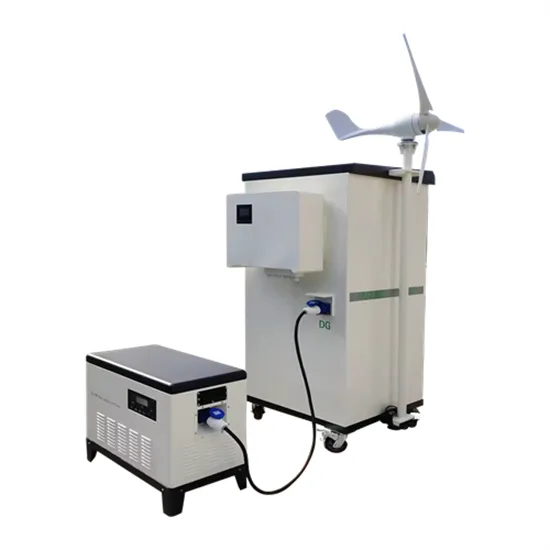
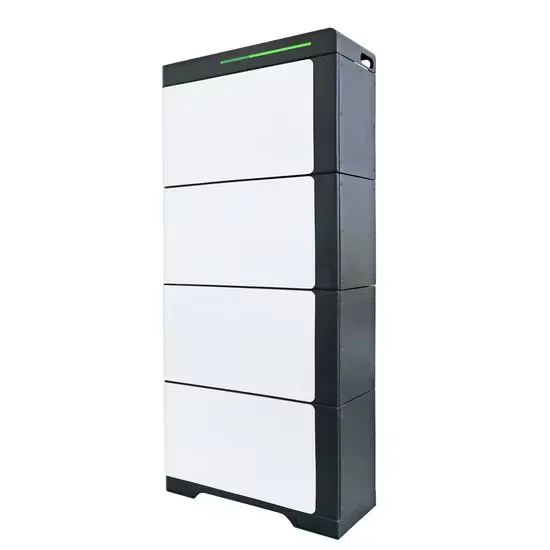
The global commercial and industrial solar energy storage battery market is experiencing unprecedented growth, with demand increasing by over 400% in the past three years. Large-scale battery storage solutions now account for approximately 45% of all new commercial solar installations worldwide. North America leads with 42% market share, driven by corporate sustainability goals and federal investment tax credits that reduce total system costs by 30-35%. Europe follows with 35% market share, where standardized industrial storage designs have cut installation timelines by 60% compared to custom solutions. Asia-Pacific represents the fastest-growing region at 50% CAGR, with manufacturing innovations reducing system prices by 20% annually. Emerging markets are adopting commercial storage for peak shaving and energy cost reduction, with typical payback periods of 3-6 years. Modern industrial installations now feature integrated systems with 50kWh to multi-megawatt capacity at costs below $500/kWh for complete energy solutions.
Technological advancements are dramatically improving solar energy storage battery performance while reducing costs for commercial applications. Next-generation battery management systems maintain optimal performance with 50% less energy loss, extending battery lifespan to 20+ years. Standardized plug-and-play designs have reduced installation costs from $1,000/kW to $550/kW since 2022. Smart integration features now allow industrial systems to operate as virtual power plants, increasing business savings by 40% through time-of-use optimization and grid services. Safety innovations including multi-stage protection and thermal management systems have reduced insurance premiums by 30% for commercial storage installations. New modular designs enable capacity expansion through simple battery additions at just $450/kWh for incremental storage. These innovations have improved ROI significantly, with commercial projects typically achieving payback in 4-7 years depending on local electricity rates and incentive programs. Recent pricing trends show standard industrial systems (50-100kWh) starting at $25,000 and premium systems (200-500kWh) from $100,000, with flexible financing options available for businesses.